How to Choose the Right Website Template for Your Business

Sarah Johnson
Understanding Your Business Needs
Before diving into template options, it's essential to understand what your business truly needs from a website. Consider your primary goals: Are you looking to showcase a portfolio, sell products online, or provide information about your services?
Take time to list out the must-have features for your website. This might include:
- Contact forms for customer inquiries
- Product galleries or portfolios
- Blog sections for content marketing
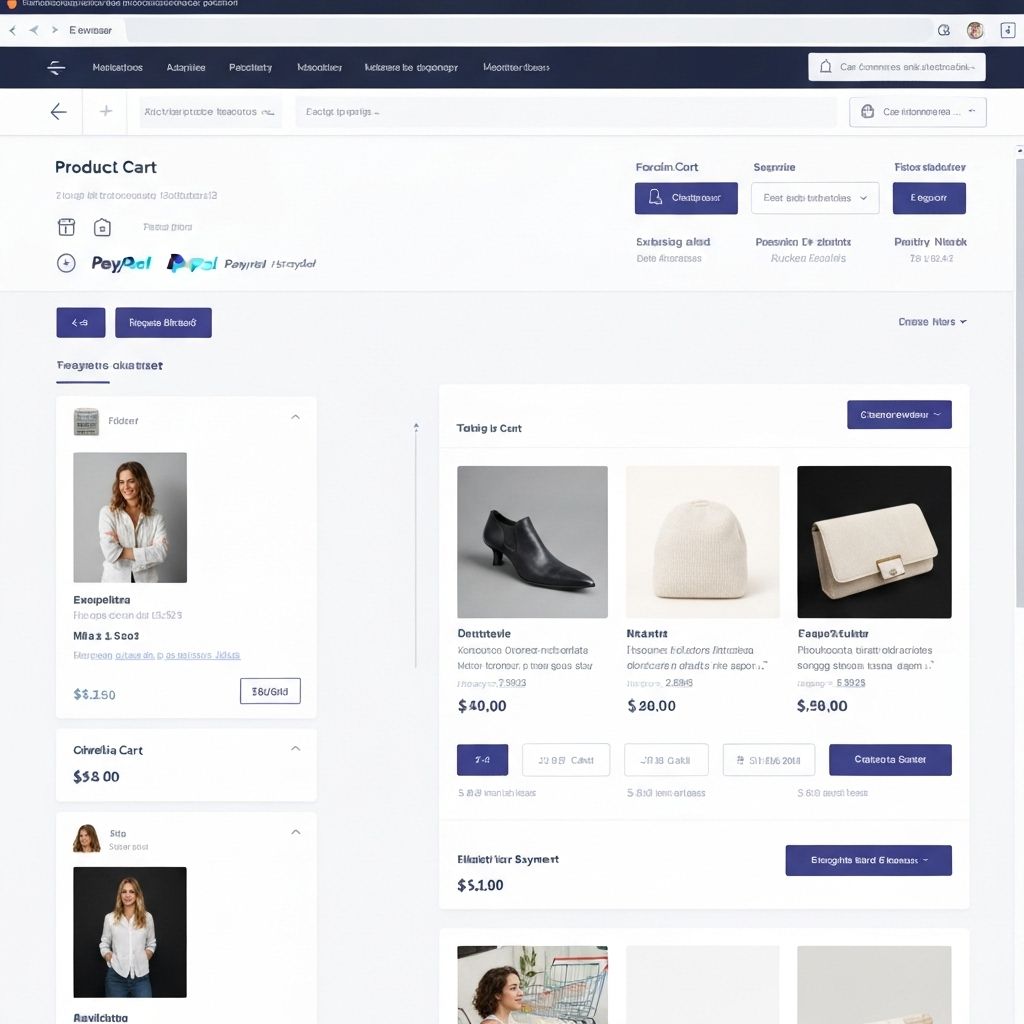
- E-commerce functionality
- Booking or appointment systems
Consider Your Brand Identity
Your website template should align with your brand's personality and values. Look for designs that complement your existing branding elements, such as:
- Color schemes that match your brand colors
- Typography that reflects your brand voice
- Layout styles that suit your industry
- Image styles that resonate with your target audience
Mobile Responsiveness is Non-Negotiable
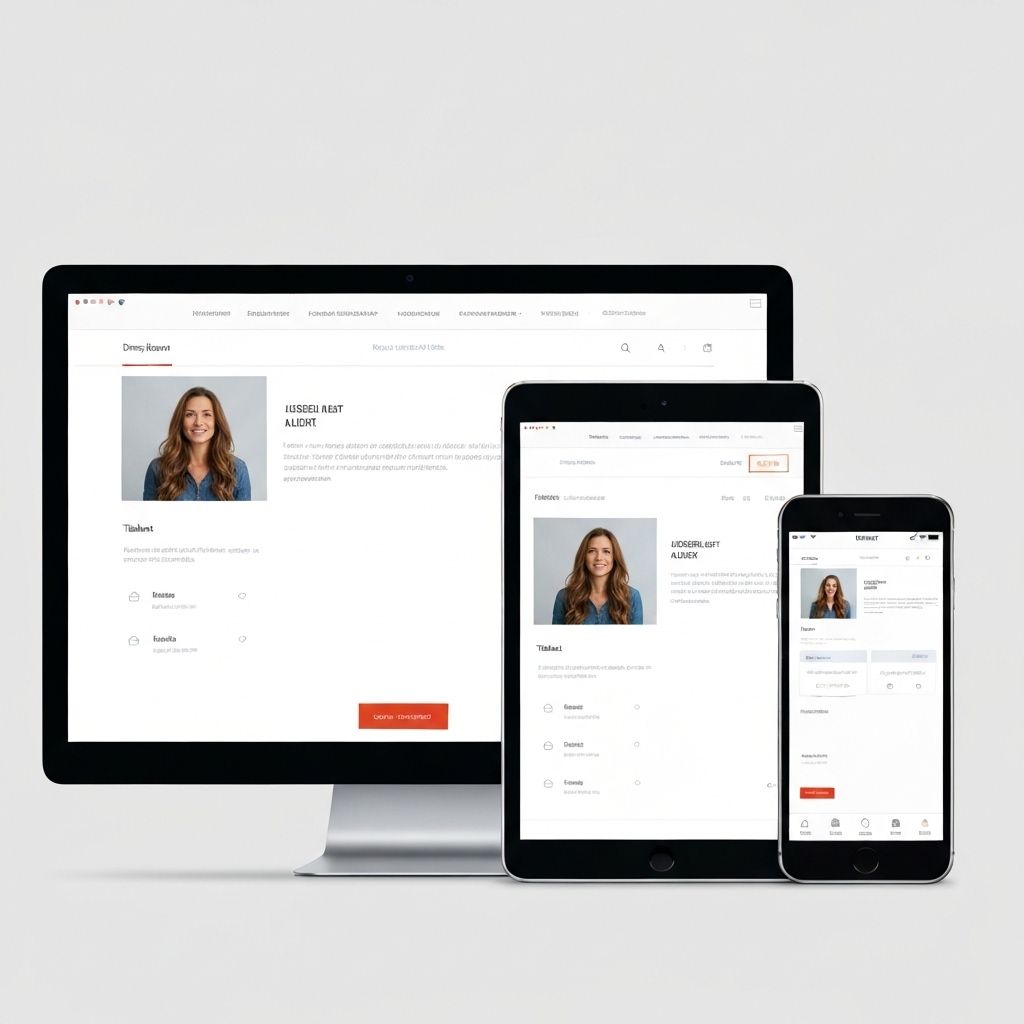
With over 60% of web traffic coming from mobile devices, your chosen template must be fully responsive. This means it should automatically adjust to look great on smartphones, tablets, and desktops.
Test any template you're considering on multiple devices before making your final decision. Check that navigation is easy, text is readable, and images load properly across all screen sizes.
Evaluate Customization Options
While pre-made templates offer convenience, you'll want some flexibility to make the design your own. Consider:
- How easy is it to change colors and fonts?
- Can you add or remove sections as needed?
- Are there multiple layout options available?
- Can you customize the header and footer?
Check Loading Speed
A beautiful template is useless if it takes forever to load. Slow loading times frustrate visitors and hurt your search engine rankings. Look for templates that are optimized for performance and don't rely on excessive animations or large files.
Review Support and Documentation
Even the best templates can present challenges during setup. Make sure your chosen template comes with:
- Comprehensive documentation
- Video tutorials if available
- Responsive customer support
- Regular updates and maintenance
Consider SEO Features
Your template should be built with search engine optimization in mind. Look for features like:
- Clean, semantic HTML code
- Fast loading times
- Mobile responsiveness
- Proper heading hierarchy
- Schema markup support
Final Thoughts
Choosing the right website template is an important decision that will impact your online presence for years to come. Take your time, do your research, and don't be afraid to reach out to support teams with questions.
Remember, the best template is one that not only looks good but also serves your business goals effectively and provides a great experience for your visitors.
About Sarah Johnson
Sarah is a digital marketing specialist with over 10 years of experience helping businesses establish their online presence. She's passionate about web design and helping small businesses succeed in the digital world.